
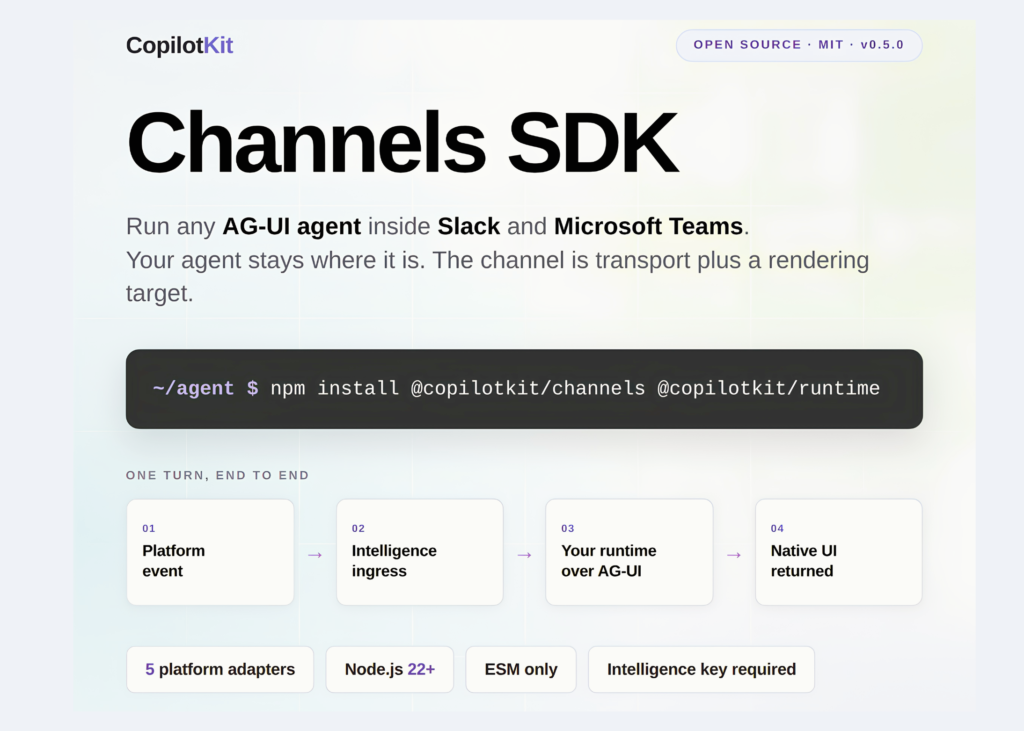
CopilotKit Open Sources Channels SDK: An MIT Licensed Library That Runs Any AG-UI Agent Inside Slack And Microsoft Teams
Source: MarkTechPost CopilotKit has just released the Channels SDK. It is an open source library that puts an...
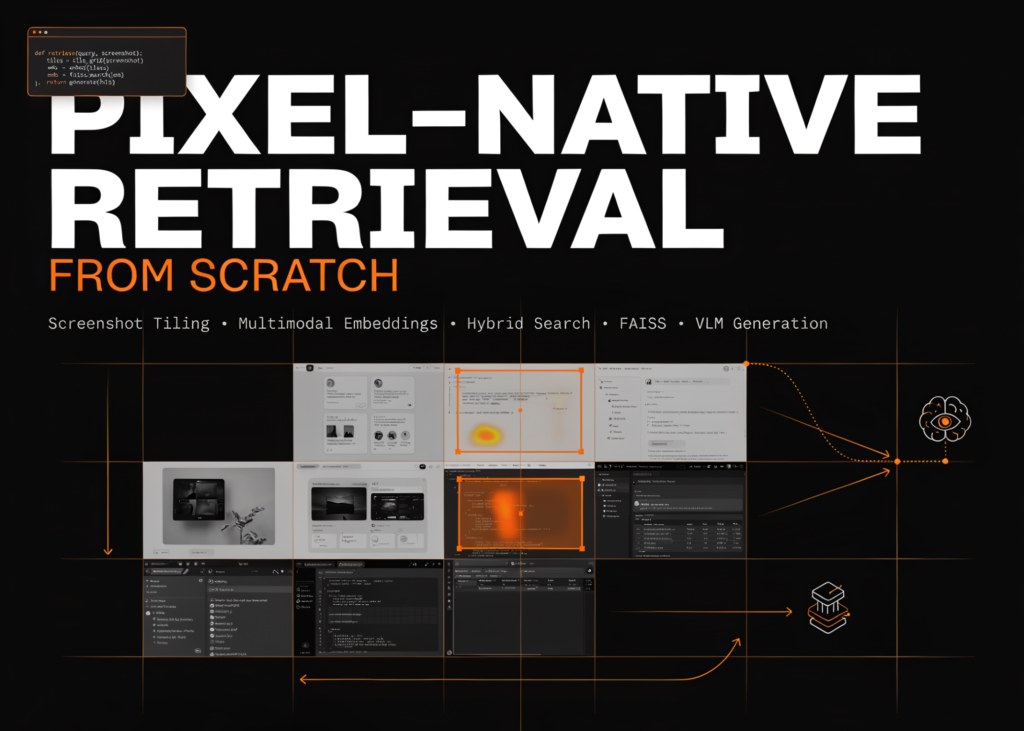
Pixel-Native RAG: A Practical Guide to Visual Document Indexing
Source: MarkTechPost In this tutorial, we build a complete pixel-native retrieval-augmented generation pipeline from scratch and examine how...
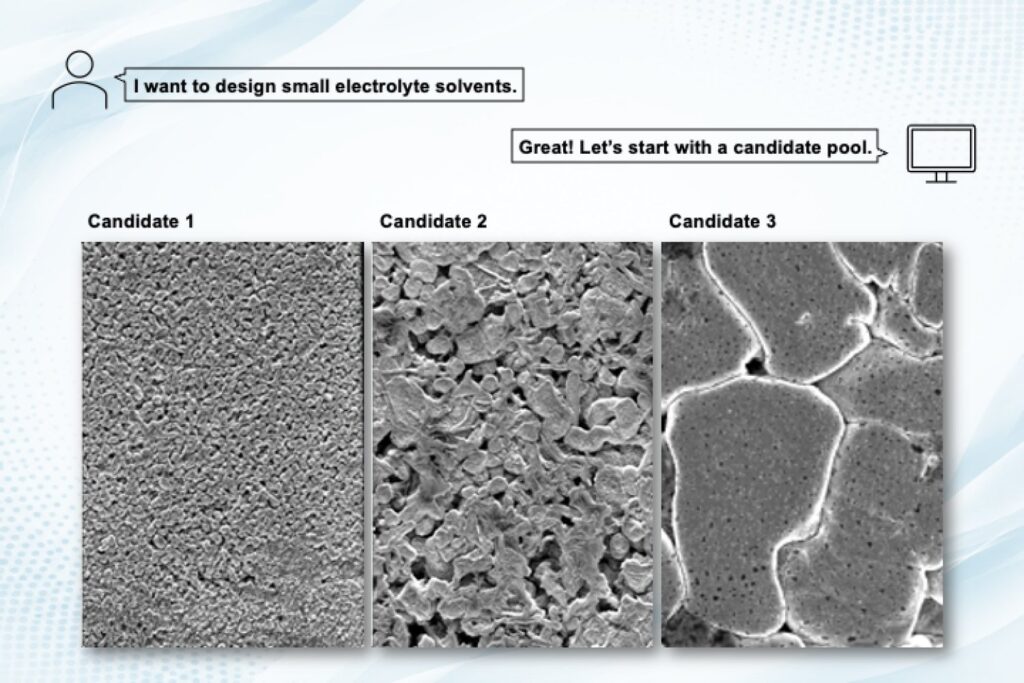
Solving the solvent problem
Source: MIT News – Artificial intelligence Lithium-ion batteries are the leading choice in today’s electric vehicle and battery...
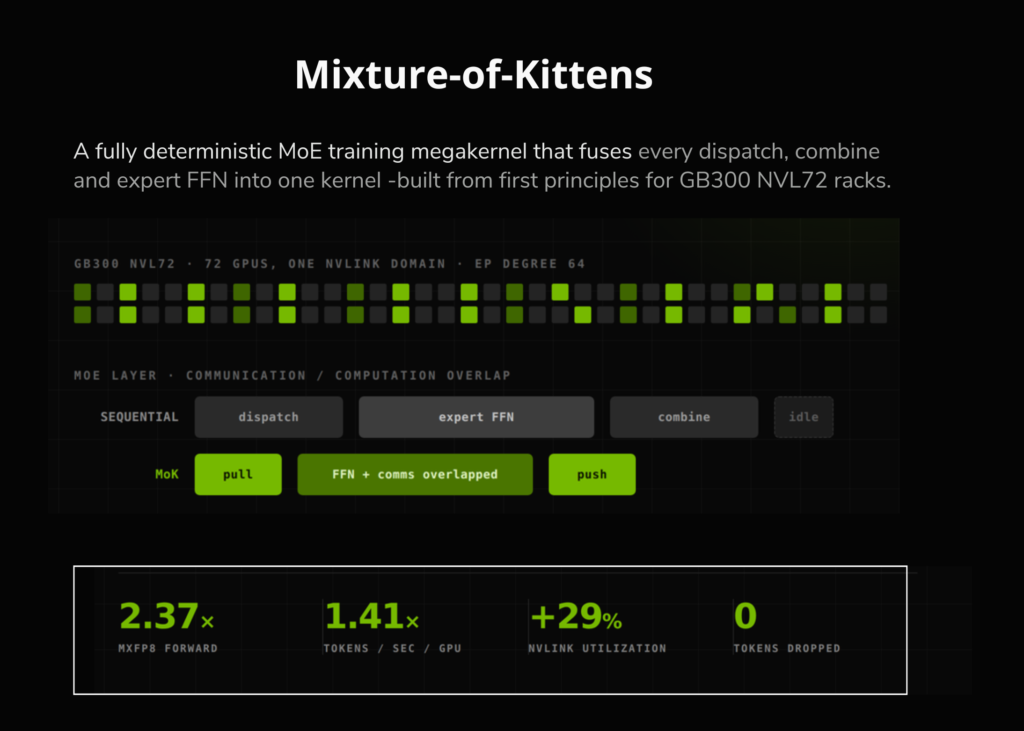
Cursor Open-Sources Mixture-of-Kittens (MoK): A Deterministic MoE Training Megakernel for GB300 NVL72 Racks
Source: MarkTechPost Cursor Research has open-sourced Mixture-of-Kittens (MoK), the mixture-of-experts training megakernel behind its Composer models. MoK fuses...

The benefits of medical AI assistance vary based on user expertise
Source: MIT News – Artificial intelligence A one-size-fits-all approach likely isn’t the best strategy when designing artificial intelligence...

Reflex Open Sources XY: A Rust-Backed Super-Fast Python Charting Library That Keeps 100 Million Point Charts Interactive
Source: MarkTechPost Reflex AI has released XY, an Apache-2.0 Python charting library for interactive 2D visualization. Most Python...

Building an Advanced AI Skill Security Auditing Pipeline with NVIDIA SkillSpector, LangGraph, YARA Rules, SARIF, and CI Policy Gates
Source: MarkTechPost In this tutorial, we build a workflow for evaluating the security posture of AI skills with...
Y Combinator Open-Sources QM: An MIT-Licensed Multiplayer Agent Harness That Runs In Slack And The Web
Source: MarkTechPost Y Combinator team has open-sourced QM (quartermaster), the multi-agent harness it uses internally. QM is described...
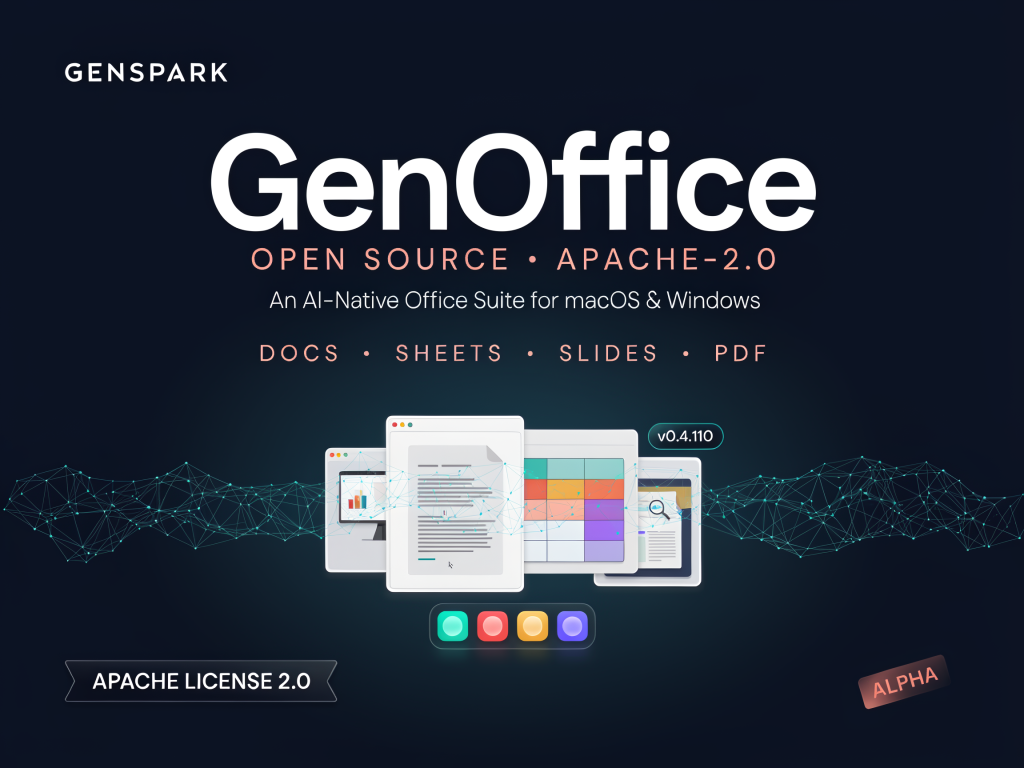
Genspark Open Sources GenOffice: A Free, Ad-Free AI Office Suite for macOS and Windows with Docs, Sheets, Slides, PDF
Source: MarkTechPost Genspark has released GenOffice as open source under the Apache License 2.0. The repository describes it...
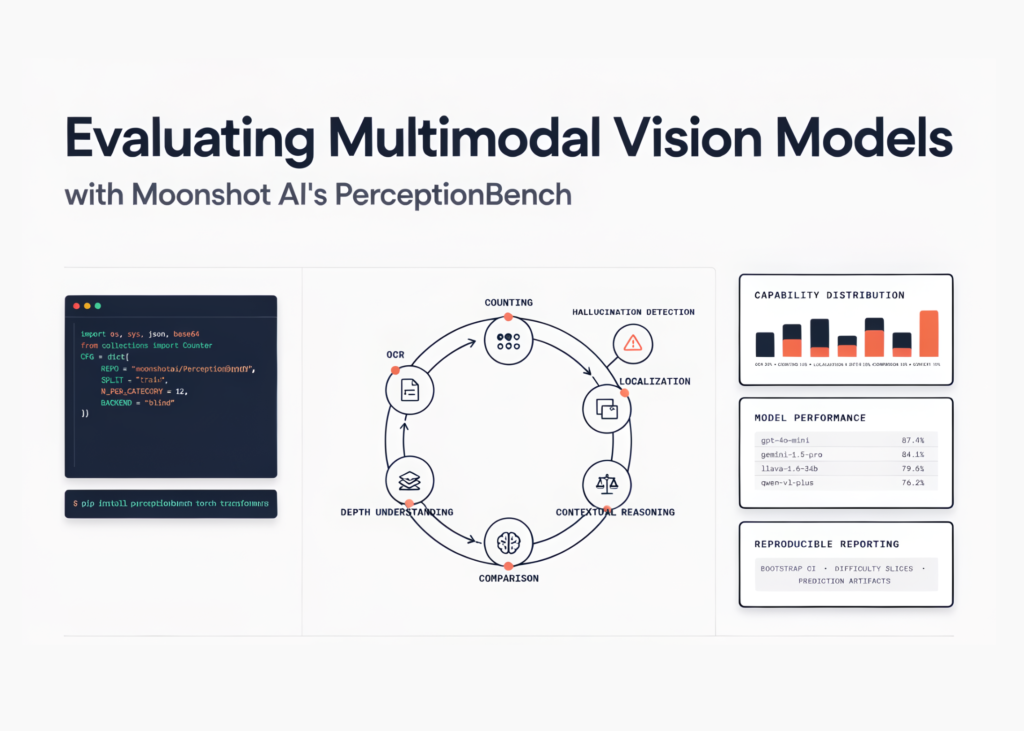
Evaluating Multimodal Vision Models with Moonshot PerceptionBench Using Robust Data Loading and Automated Judging
Source: MarkTechPost In this tutorial, we design an end-to-end evaluation workflow for PerceptionBench. This multimodal benchmark measures fine-grained...