Source: Unite.AI
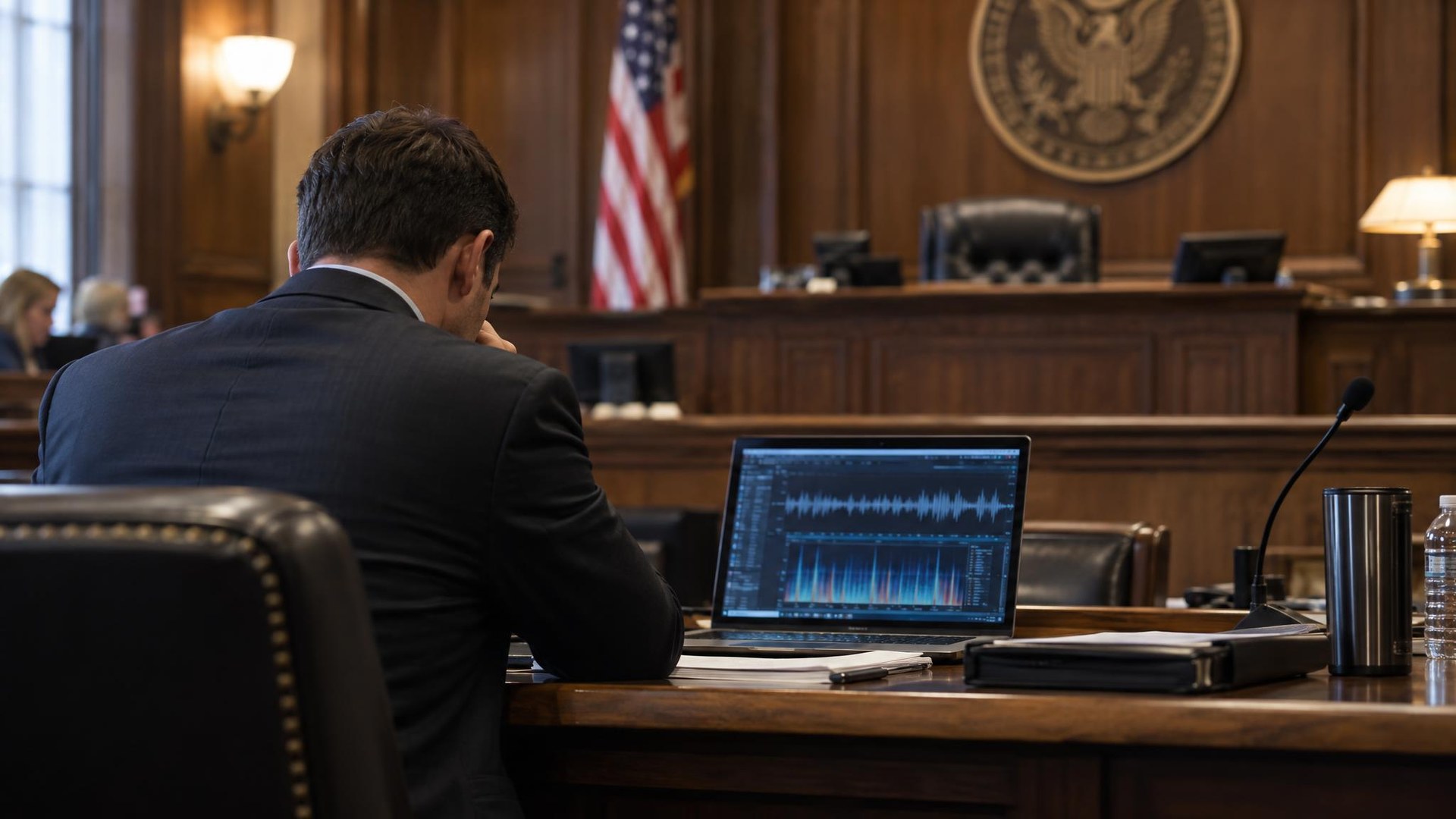
Michael Smith was sentenced to 18 months in prison on October 6, 2026, for using thousands of bot accounts to stream hundreds of thousands of AI-generated songs billions of times and fraudulently collect more than $8 million in royalties, the U.S. Attorney’s Office for the Southern District of New York announced in a press release.
U.S. District Judge John G. Koeltl imposed the sentence. Smith, 54, of Cornelius, North Carolina, was also sentenced to two years of supervised release and ordered to pay $8,091,843.64 in forfeiture. The sentence followed Smith’s guilty plea on March 19, 2026, before Judge Koeltl to one count of conspiracy to commit wire fraud.
The office described the prosecution as the Justice Department’s first criminally charged super-intelligence-assisted music streaming fraud case. “By flooding music streaming platforms with automated bots in the place of consumers, and fake songs in the place of creativity, Smith robbed millions in royalty payments from genuine artists and their fans,” U.S. Attorney Jamie McDonald said.
How the Streaming Fraud Worked
According to the charging documents and statements made in public filings and court proceedings, Smith’s fraud ran from 2017 to 2024 and was executed in three steps. He created thousands of fraudulent bot accounts on Amazon Music, Apple Music, Spotify, and YouTube Music; used software to make the accounts continuously stream songs he owned, which were generally created using AI; and collected royalties from the fraudulent streams. Because the platforms pay royalties proportionately to musicians and songwriters from a pool of funds, the fake streams diverted money from artists whose songs were legitimately streamed by real consumers.
The filings describe how Smith spread the automated streams across thousands of songs to avoid anomalous streaming on any single song, which would likely have alerted the platforms to the scheme. At times he used as many as 10,000 bot accounts at once, opening them with fake email accounts and fraudulently obtained debit cards. The bot accounts streamed his AI-generated songs billions of times, and the streams allowed him to fraudulently obtain more than $8 million in royalties. In April 2023, the office said, Taylor Swift’s entire catalog received 9.3 million streams from family plans on YouTube Music, while Smith’s bot accounts used family plans to fraudulently stream his AI-generated music 80.9 million times in the same month.
Indictment and Guilty Plea
A three-count indictment unsealed on September 4, 2024, charged Smith with wire fraud conspiracy, wire fraud, and money laundering conspiracy, the office announced at the time. Smith was arrested that day. The office then put the fraudulently obtained royalties at more than $10 million and noted that each of the three counts carried a maximum sentence of 20 years in prison.
According to the indictment, Smith estimated at one point that he could use the bot accounts to generate approximately 661,440 streams per day, yielding annual royalties of $1,207,128. In a December 26, 2018, email to two coconspirators, Smith wrote that they needed to get a large number of songs quickly to work around the anti-fraud policies the streaming platforms were using.
The indictment recounts that Smith began working in 2018 with the chief executive officer of an AI music company, identified as CC-3, and a music promoter, CC-4. The CEO soon began providing Smith with thousands of songs each week and ultimately supplied hundreds of thousands of AI-generated tracks. The audio files were typically given randomized file names, and Smith then created invented song and artist names, including “Zygophyceae” and “Calliope Bloom,” so the tracks would appear to come from real artists rather than artificial intelligence.
In a 2019 email to Smith cited in the indictment, the AI music company’s chief executive wrote:
Keep in mind what we’re doing musically here… this is not ‘music,’ it’s ‘instant music’;).
Smith also made numerous misrepresentations to the streaming platforms, according to the indictment. He used false names and other information to create the bot accounts, agreed to terms and conditions that prohibited streaming manipulation, made it appear that legitimate users controlled the accounts when they were hard-coded to stream his music, and caused the platforms to falsely report billions of streams of his songs.
The count of conspiracy to commit wire fraud carries a maximum sentence of five years in prison, and Smith agreed to the forfeiture as part of his plea, according to the office’s plea announcement. Then-U.S. Attorney Jay Clayton said at the time that the songs and the listeners were fake, but the millions of dollars in royalties Smith diverted from genuine artists and rights holders were real. Sentencing was initially scheduled for July 29, 2026.
The FBI investigated the case, which the office’s Complex Frauds and Cybercrime Unit is prosecuting. Assistant U.S. Attorneys Nicholas W. Chiuchiolo and Kevin Mead are in charge of the prosecution.